Product Entry and Seal Clearance
Identify the product and fill-size range for each short run. Observe product entry and material left near the future seal separately from the quantity result.
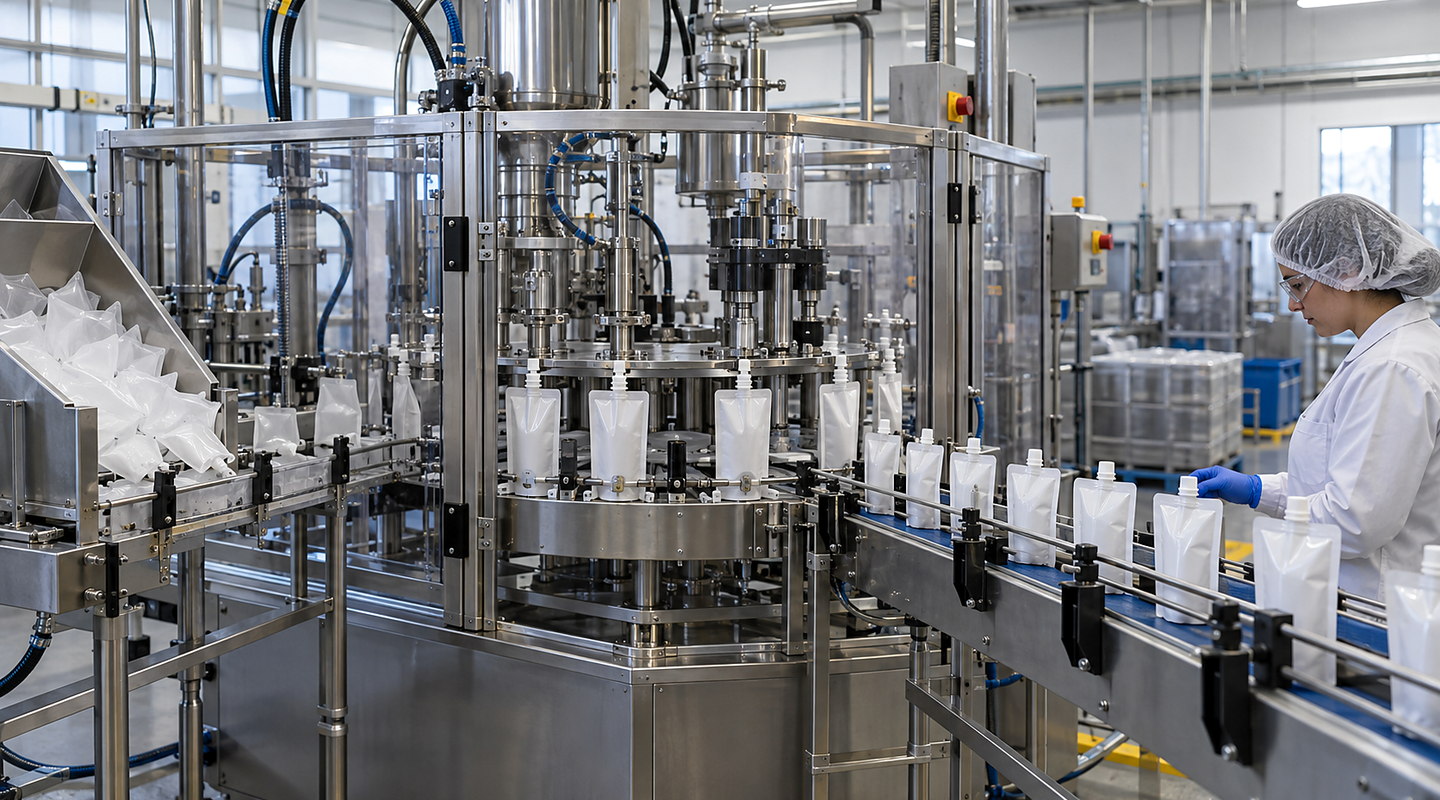
Plan short runs and format changes involving premade pouch opening, filling and sealing around representative products, packs and packaging materials, line connections, operating limits, acceptance checks and next steps.
For short runs and format changes involving premade pouch opening, filling and sealing, start with representative products, packs and packaging materials and your full operating sequence, then check the credible product, pack, cleaning and line-rate extremes before committing to a final layout.
Plan premade pouch packers around your product, pack range, target output, cleaning needs and finished-pack checks. Discuss a practical line concept with Lancing using representative samples.
Plan premade pouch packers around your product, pack range, target output, cleaning needs and finished-pack checks. Discuss a practical line concept with Lancing using representative samples. For short runs and format changes involving premade pouch opening, filling and sealing, the deciding details include premade pouch opening, filling & sealing product behaviour, target dose, count or pack weight and finished-pack checks and reject handling.
Discuss your application

Identify the product and fill-size range for each short run. Observe product entry and material left near the future seal separately from the quantity result.
List every pouch format with identified flat and filled samples, supplier or batch references, dimensions, gusset and zip or spout details. Include the normal loading or stack condition when comparing setups.
State the target and checking method for each product and pouch combination. Keep individual quantity results and relevant tare assumptions alongside the setup and sample identities.
Describe the run order, batch lengths and expected change frequency. Count pouch loading, product replenishment, short stops and part-completed packs when comparing accepted output.
Record which guides, grips, dosing settings, sealing settings or change parts need adjustment. Include the approved cleaning and clearance sequence, responsible person and first-off release check after each change.
Agree separate opening, filling, closing and finished-pack criteria after a change or restart. Define how failed, unconfirmed or part-completed pouches are held, removed or reconciled before accepted production resumes.
Include replenishment, normal production, planned change, short stops, fault recovery, cleaning and maintenance for short runs and format changes involving premade pouch opening, filling and sealing. A fast automatic step can still leave your team with a slow or awkward overall process.
Run the agreed product or part mix for short runs and format changes involving premade pouch opening, filling and sealing at your intended operating pattern.
Include credible extremes for premade pouch opening, filling & sealing product behaviour and container, bag or pack range.
Show how the proposed solution detects a problem affecting short runs and format changes involving premade pouch opening, filling and sealing, responds safely, informs your team and restarts under control.
Compare with Routine Production Using Premade Pouch Opening, Filling and Sealing if that operating pattern is closer to your application.