Identify the exact pouch format
Send flat and filled samples with width, height, gusset, zip or spout details. The usable opening and gripping area matter as much as the overall pouch dimensions.
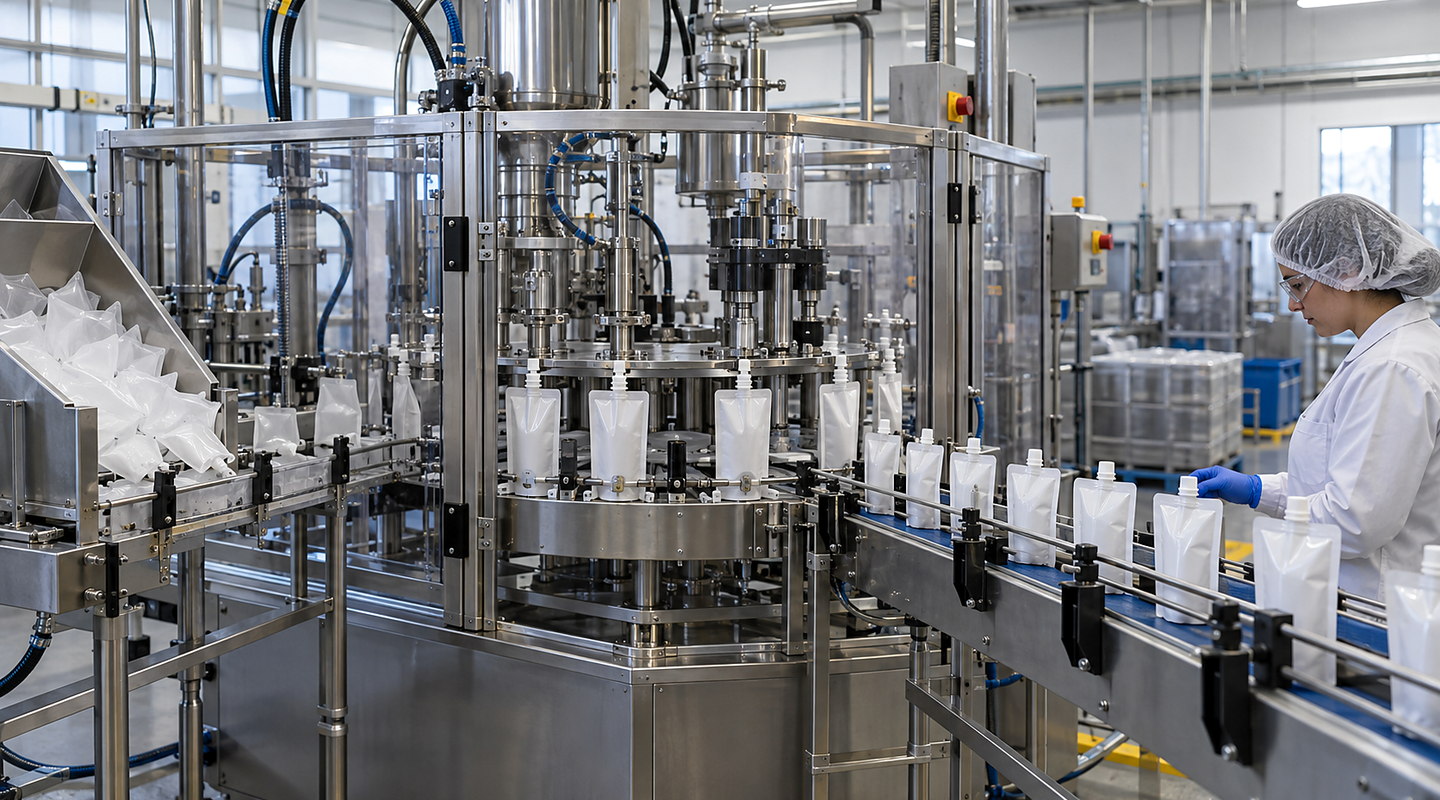
Plan premade pouch packers around your product, pack range, target output, cleaning needs and finished-pack checks. Discuss a practical line concept with Lancing using representative samples.
Speak directly with Lancing about premade pouch opening, filling and sealing.
Compare the required pack shape and closure features with the available pouch or film specifications. Include the product, dose, batch sizes and changeover pattern. Trial the complete filling and sealing sequence and compare accepted packs, material handling and operating tasks before choosing the packaging route.
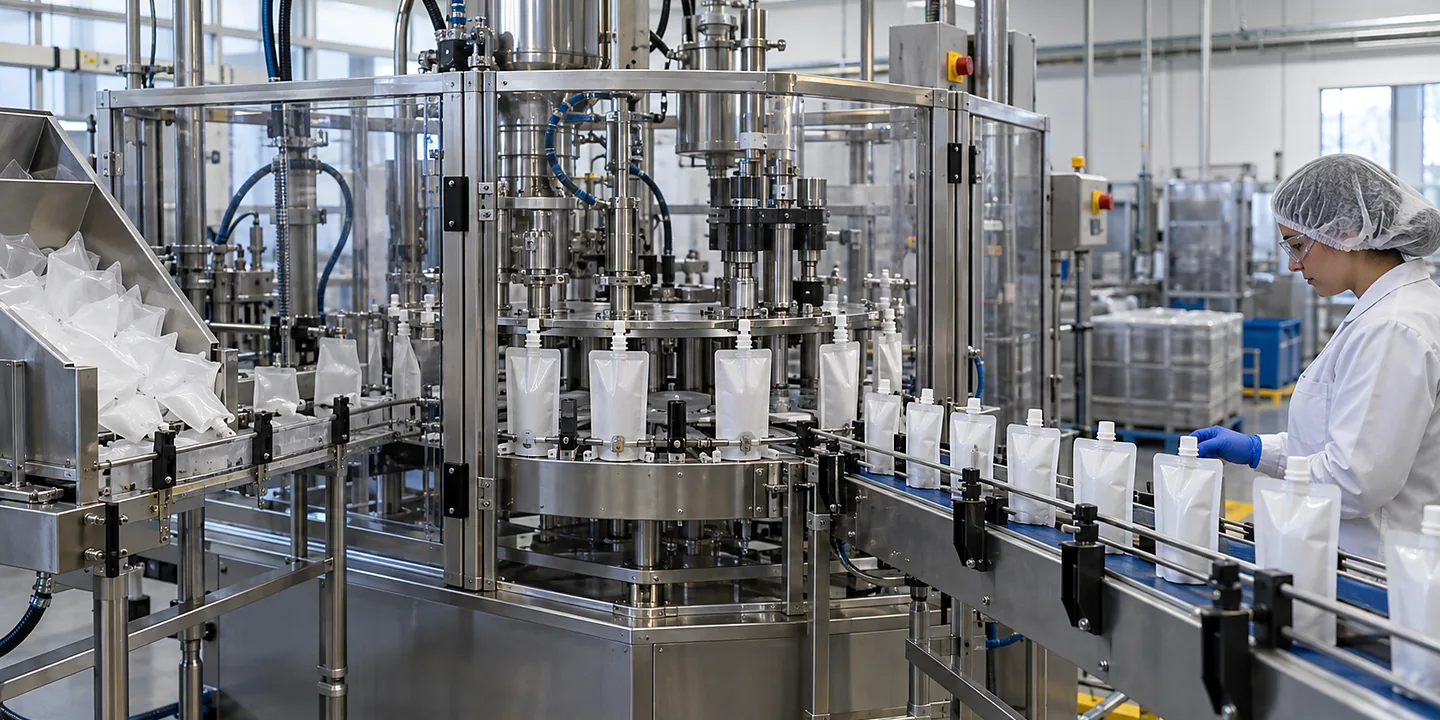
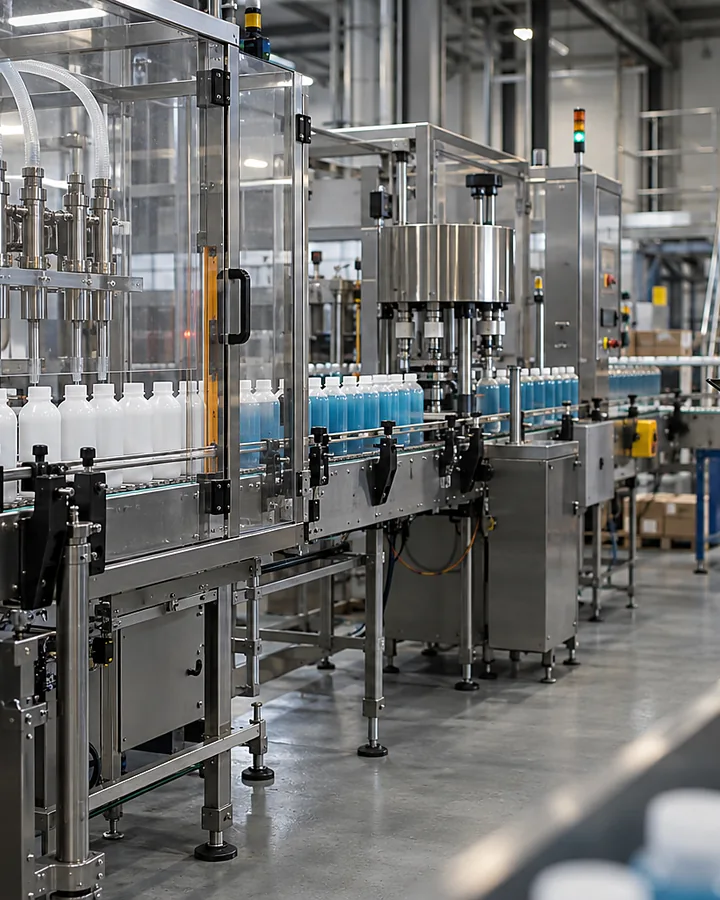

A premade pouch packer handles a finished empty pouch. The opening, product entry and closing sequence must work with the actual pouch construction and its normal variation.
Send flat and filled samples with width, height, gusset, zip or spout details. The usable opening and gripping area matter as much as the overall pouch dimensions.
Show how pouches are supplied and loaded. Trial the normal stack condition and pouch variation, including how the machine recognises missing, doubled or incorrectly presented pouches.
Agree what establishes that the pouch is ready to receive product. Define the response to a pouch that has not opened sufficiently before a dose is released.
Provide powder flow, particle condition or liquid behaviour as appropriate. Check dosing and nozzle or chute access without stretching the opening or contaminating the future seal.
Specify the area available above the product and any zip. Trial closing with representative pouches and agree the finished-pack checks needed for the intended product and distribution.
List the pouch and fill-size combinations, batch lengths and expected change frequency. Record which guides, grips, dosing settings and sealing settings need adjustment for each format.
The right choice changes with premade pouch opening, filling & sealing product behaviour, container, bag or pack range, your line layout and required results.
A pouch packer can stop for several reasons that look similar from the outfeed. Retain failed examples and identify the stage that first went wrong. The corrective action for a pouch that never opened is different from the action for a correctly filled pouch with a contaminated seal.
Check the supplied stack condition, curl, surface variation and the gripping area. Record missing pouches separately from doubled or skewed pouches. Use samples from ordinary production supply rather than only carefully flattened trial stock.
Define the evidence that the mouth is open sufficiently for the intended chute or nozzle. A pouch being present does not establish an open filling path. Agree the response to incomplete opening before a dose is released, and the disposition of any product released during an interrupted cycle.
Observe whether product enters centrally, contacts the zipper or remains across the closing area. Assess the highest fill and smallest usable mouth. Distinguish a dosing fault from product spilled or trapped during entry.
Identify pouches that are filled but not correctly closed. They should not silently rejoin the accepted output after a restart. Agree how part-completed packs are tracked, removed and reconciled during a stoppage or format change.
Record pouch loading, product replenishment, clearing authorised faults and first-off checks after changeover. When comparing premade packaging with roll-film forming, use the same product, finished presentation and accepted-pack definition. Count the exceptions as well as the stable cycle.
Use the premade pouch specification checklist and acceptance records to make these operating conditions explicit.
Your final solution for premade pouch opening, filling and sealing must reflect the law, current standards and site-specific risks that apply to your installation.